
Leading Foundation Repair Products To Fix Foundation Settlement
Identify top products that help address foundation settlement issues and restore your home’s stability efficiently.
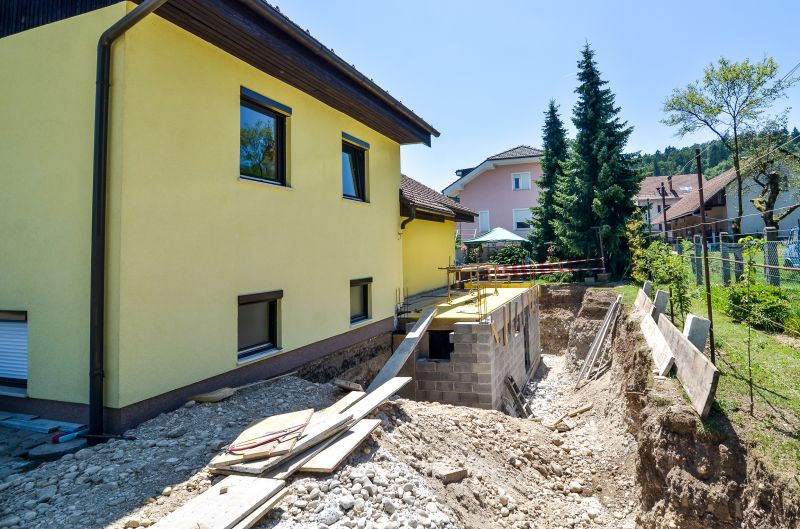 Foundation repair products are essential components used to address issues related to the stability and integrity of a building's foundation. These products are designed to stabilize, lift, or reinforce foundations that may have shifted or settled over time. In Fort Worth, TX, where soil conditions and climate can influence foundation health, selecting appropriate repair solutions is crucial for maintaining the safety and longevity of structures.
Top Overall Option
Heavy-Duty Foundation Stabilization System
This versatile stabilization system combines adjustable piers with corrosion-resistant materials, providing reliable support for various foundation types. Its adaptability makes it suitable for addressing different degrees of settling or shifting, offering a comprehensive approach to foundation reinforcement.
Types of Products For Foundation Repairs
Helical Piers
Helical piers are screwed into the ground to provide stable support for foundations affected by soil movement.
Push Piers
Push piers are hydraulically driven into the soil beneath the foundation to lift and stabilize sinking structures.
Mudjacking and Slab Jacking Materials
These products are used to lift and level sunken concrete slabs by injecting a slurry beneath the surface.
Carbon Fiber Reinforcement Strips
Applied to cracks, these strips help prevent further movement and reinforce the structural integrity of the foundation.
Underpinning Systems
Underpinning involves extending the foundation depth or breadth to improve stability, often using specialized support products.
Brace and Wall Reinforcement Products
These products stabilize basement walls and prevent bowing or cracking caused by soil pressure.
Soil Stabilization Additives
Chemical solutions that improve soil compaction and reduce settlement issues around the foundation.
Water Management Systems
Drainage solutions that divert water away from the foundation, reducing soil erosion and moisture-related problems.
Foundation Crack Repair Kits
Complete kits designed to seal and reinforce small to medium cracks in concrete or masonry foundations.
Vibration and Compacting Equipment
Tools used to improve soil density around the foundation, enhancing stability.
Pier Mounts and Base Plates
Components that connect piers to the foundation, ensuring secure support and load transfer.
Hydraulic Lifting Equipment
Tools used to lift and level foundations during repair procedures.
Foundation Monitoring Devices
Sensors and gauges that track movement or settlement over time to inform repair strategies.
Drainage Pipes and Erosion Control Products
Prevent water accumulation and soil erosion around the foundation area.
Epoxy and Sealants
Used to seal cracks and prevent water intrusion into the foundation walls.
Popular Choices
Flexible support systems that can be adjusted to lift or stabilize foundations as needed.
Lightweight foam injected beneath slabs to lift and level uneven surfaces.
Heavy-duty braces that reinforce basement walls against bowing or cracking.
Used for quick and minimally invasive foundation lifting and stabilization.
Sealants designed to fill and reinforce small to medium cracks in concrete or masonry.
Chemical solutions that improve soil strength and reduce settlement.
Barrier materials applied to foundation walls to prevent water intrusion.
Steel plates used to reinforce and stabilize basement walls prone to bowing.
Tools for lifting and leveling foundation sections during repairs.
French drains, sump pumps, and other components to manage water around foundations.
Support braces that stabilize and prevent further shifting of foundation walls.
Tools used to densify soil around the foundation for added support.
Used to fill cracks and bond foundation materials for added strength.
Devices to track foundation movement over time for early detection.
Help prevent soil erosion around the foundation site.
Foundation repair often involves a combination of products tailored to specific problems. For instance, helical piers and push piers are commonly used to stabilize and lift sunken foundations by transferring the load to more stable soil layers. Carbon fiber reinforcement strips are applied to crack-prone areas to prevent further movement, while mudjacking and slab jacking products are used to lift and level uneven concrete slabs. Each product type plays a vital role in a comprehensive foundation repair strategy.
Choosing the right products involves understanding the specific foundation issues present, such as cracking, settling, or shifting. Proper assessment by a qualified professional can help determine the most suitable solutions. Additionally, durability and compatibility with local soil and weather conditions should influence product selection. While DIY options exist, complex foundation problems typically require specialized equipment and expertise to ensure safety and effectiveness.
For homeowners and property managers in Fort Worth, investing in quality foundation repair products can help mitigate further damage and preserve property value. It's important to work with reputable suppliers and contractors who can recommend products that meet industry standards. Regular inspections and timely repairs using appropriate products can make a significant difference in maintaining a structurally sound home or building.
Key Buying Considerations
- Assess the specific foundation issues such as cracking, settling, or bowing to determine suitable products.
- Ensure compatibility of repair products with your foundation type (concrete, masonry, etc.).
- Consider the soil conditions and climate in Fort Worth, TX, which can influence product performance.
- Evaluate the durability and corrosion resistance of materials, especially in humid or wet environments.
- Determine whether professional installation is recommended or if DIY options are feasible for your situation.
- Review product load capacity and whether it meets the structural requirements of your property.
- Check for warranties or guarantees offered by suppliers to ensure product reliability.
- Consider the ease of access and application, especially for products requiring drilling or injection.
- Look into the long-term maintenance needs of the repair system chosen.
- Verify that the products meet local building codes and industry standards.
- Assess the cost-effectiveness of different solutions relative to the extent of foundation issues.
- Research the reputation and reviews of manufacturers or suppliers for quality assurance.
- Think about future expansion or additional repairs that may require compatible products.
- Consult with a foundation specialist to get tailored recommendations based on your property’s condition.